The classroom challenge
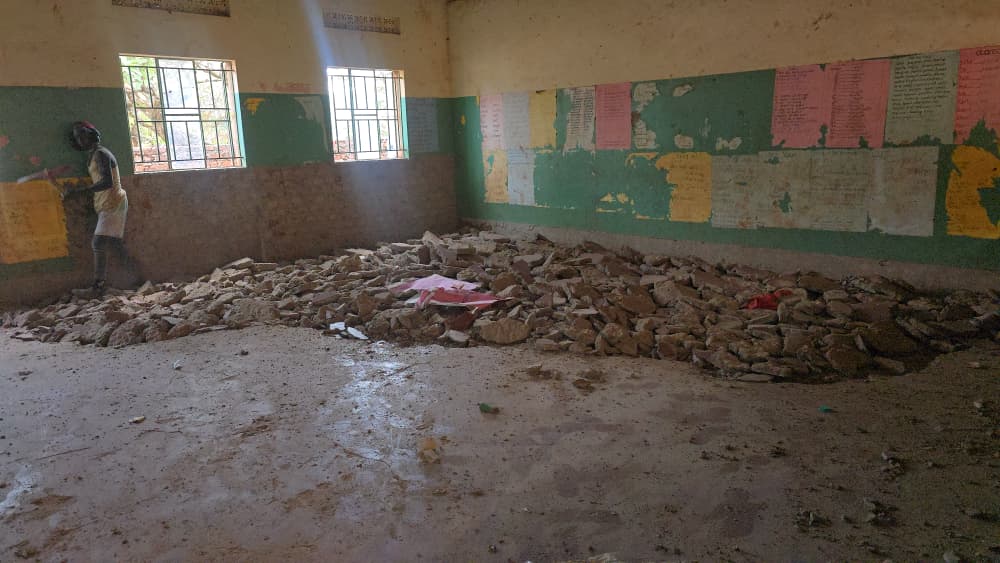
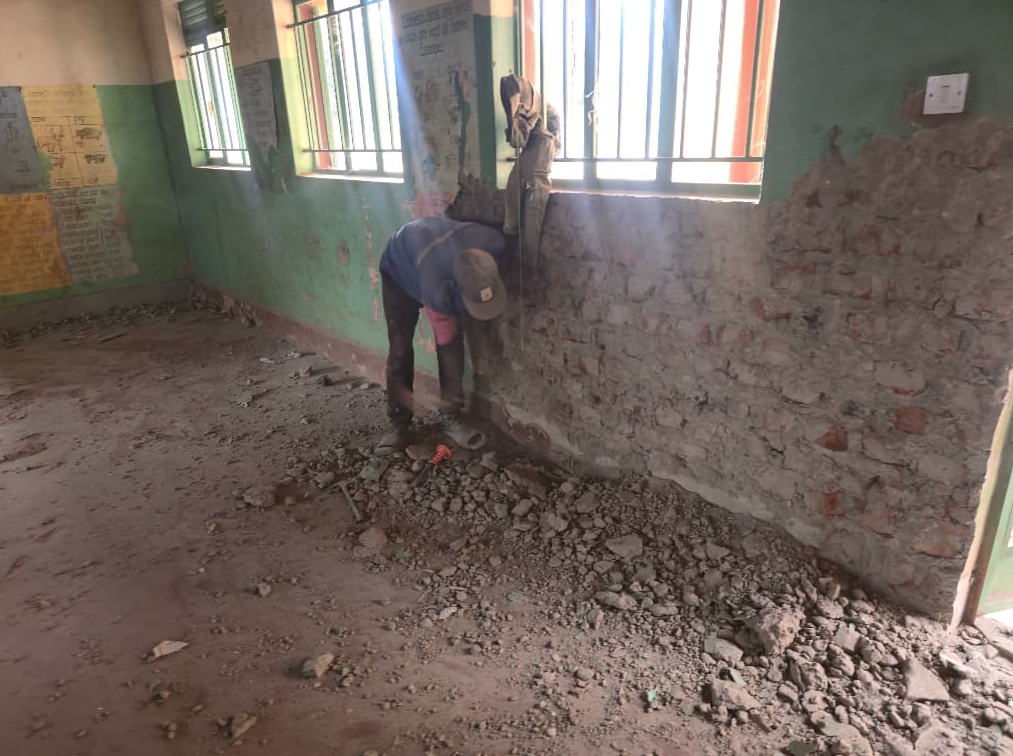
Children in rural Uganda often study in overcrowded and inadequate classrooms. On average, around 79 students share a single classroom, with some schools operating at up to 305% of their intended capacity, while each teacher is responsible for approximately 48 students.
This problem is particularly severe in northern and eastern Uganda, especially in West Nile and refugee-hosting districts, where an average of 134 pupils may share a single classroom. Such overcrowded conditions make it difficult to provide a safe and effective learning environment, reducing the quality of education children receive and limiting the individual support teachers can provide.
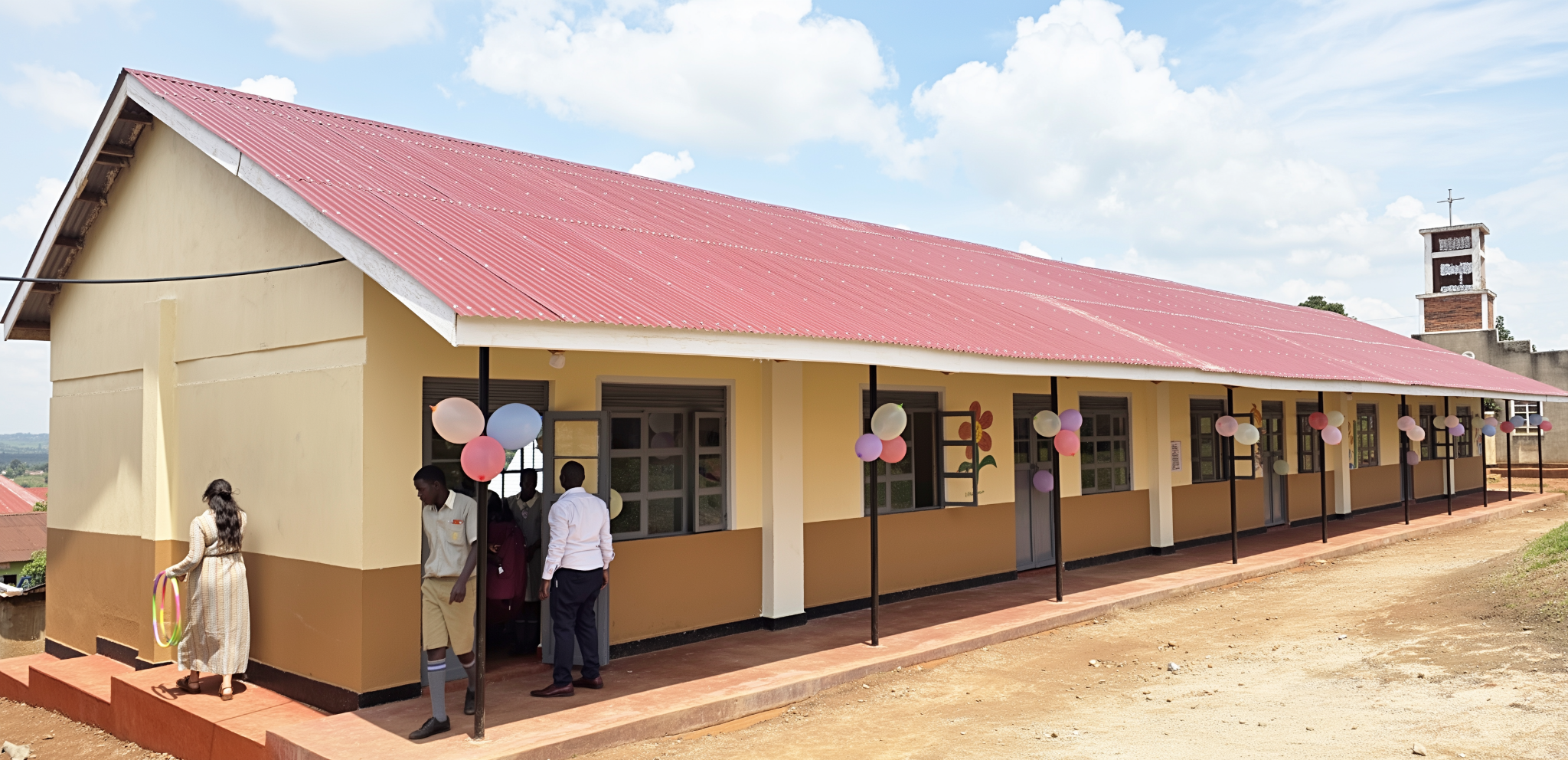
To help address this challenge, the Nile Humanitarian Development Agency has supported the construction of 32 schools in rural Uganda, creating safer and more suitable learning environments for children in underserved communities. However, further support is needed to expand access to adequate classrooms and educational facilities.